Paraguay's Economic Outlook: Opportunities and Challenges in 2026
Paraguay's economy is showing signs of resilience amid regional and global uncertainties, with specific sectors poised for growth while others face headwinds.
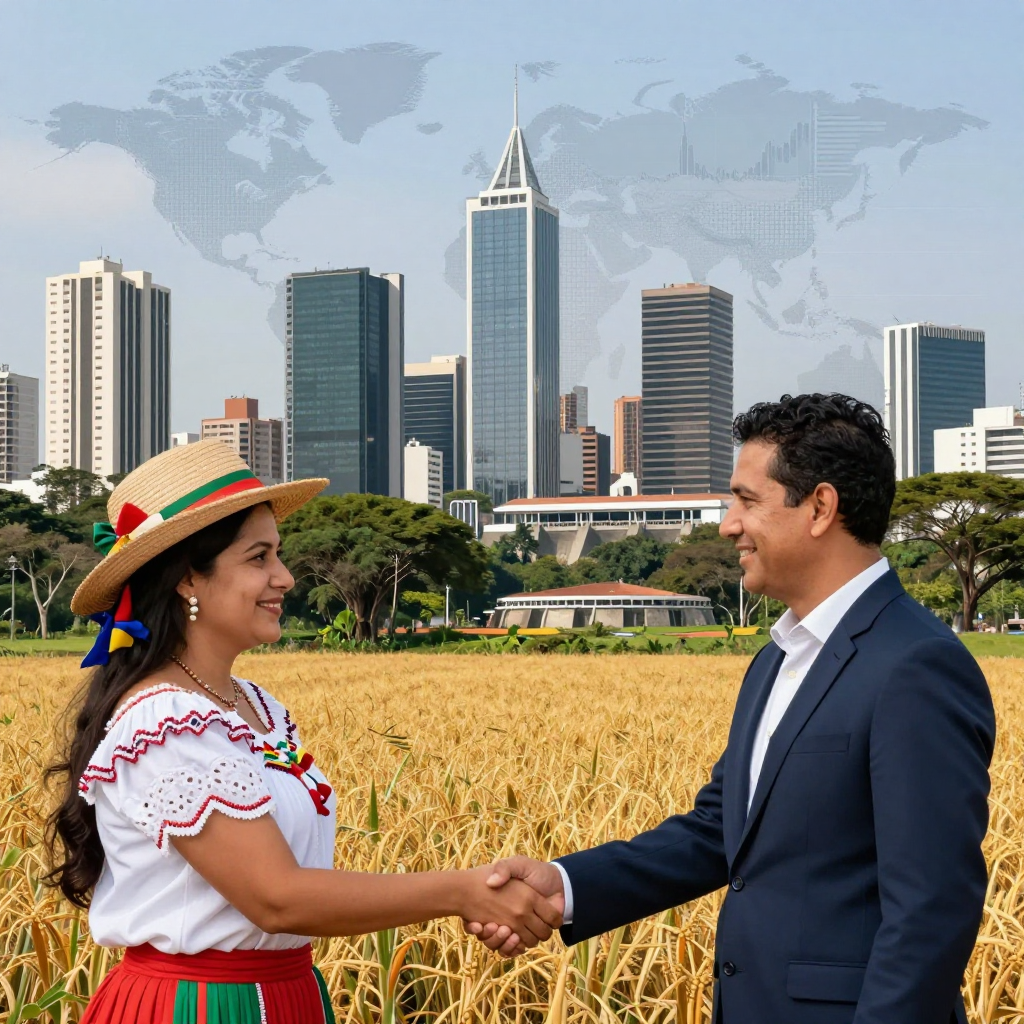
Over the past six to twelve months, Paraguay has maintained a relatively stable economic trajectory compared to its regional peers. According to the latest reports from the Economic Commission for Latin America and the Caribbean (ECLAC), the country's GDP growth is projected to remain robust at 2.4% in 2026, supported by strong performances in agriculture, energy, and manufacturing. These sectors have been bolstered by favorable weather conditions and increased demand for commodities, particularly soybeans and hydroelectric power.
However, the country faces challenges such as rising inflationary pressures and external vulnerabilities linked to global commodity markets. Additionally, Paraguay's reliance on Mercosur trade partners, notably Brazil and Argentina, means its economic health is partially contingent on the stability of these economies. Recent data from the Ministry of Industry and Commerce (MIC) highlights a slight decline in export volumes to traditional markets, necessitating diversification efforts.
Looking ahead, Paraguay's strategic position within Mercosur presents opportunities for enhanced trade relations and investment attraction. The country's free trade agreements with the EU and China could further boost exports, particularly in agribusiness and renewable energy sectors. For stakeholders, focusing on infrastructure development and improving regulatory frameworks will be crucial for sustaining growth and mitigating risks associated with external dependencies.
Share this article: